You sit down to do the boring thing. Thirty seconds in, your hand is already on your phone. You only meant to check one message, and now it's an hour later, the task is untouched and you feel worse than when you started.
Part of the problem is timing. When you are bored and flat, you are in the worst state to choose something better, so you grab whatever is closest. A dopamine menu moves that choice to a moment when you are thinking clearly.
What a dopamine menu is
It is a short list of healthy activities that lift your mood or energy, written in advance and laid out like a restaurant menu. The restaurant format comes from Jessica McCabe, creator of How to ADHD, in a 2020 video; ADDitude also credits ADHD coach Eric Tivers with the idea behind it.
It is aimed mostly at people with ADHD, though a Mayo Clinic physician says anyone can use it and calls it a rebrand of behavioral activation. It is a self-help tool, not treatment, and not a to-do list. If you have ADHD, talk to a clinician about treatment.
The five sections, with 25 ideas
| Section | What goes in it | Ideas |
|---|---|---|
| Starters | A few minutes, low effort. A quick lift that doesn't pull you in. | A minute of jumping jacks, a few stretches, making tea or coffee, one favorite song, watering a plant |
| Mains | Longer and more absorbing. Leaves you feeling engaged, not drained. | A walk or workout, cooking a proper meal, playing an instrument, journaling, a creative hobby |
| Sides | Added to a boring task to make it easier to stay with. | A podcast or music, white noise, a fidget toy, a timer race against yourself, body doubling |
| Desserts | Fun but easy to overdo. Fine in small portions. | Social media, YouTube or TV, a mobile game, texting, rewatching a comfort show |
| Specials | Rare, bigger treats that need planning or money. | A concert, a day out with friends, a weekend trip, dinner out, a massage |
Researchers writing in The Conversation suggest the mains deserve most of your space: they argue quick hits like sweets or novelty do little for ADHD, and point to steadier activities such as exercise, time with people and music. Sources differ here: UBC still suggests starters, sides and small desserts, which is how we use them below.
How to build yours in 5 steps
- Brainstorm on a good day. Ten minutes with a notes app. List things that lift you and that you don't regret afterwards, then sort them into the five sections.
- Cut what you would never pick. If you won't realistically do it on a Tuesday afternoon, it doesn't belong on the menu.
- Prep the menu. Leave the guitar out, the running shoes by the door, the tea where you can see it. The fewer steps, the more likely you are to choose it.
- Add friction to desserts. Log out of the app, move it off the home screen, charge the phone in another room.
- Put it where you will see it. On the fridge, next to your desk, or as your lock screen. A menu you have to look for won't get used.
It has to fit you: what energises one person does nothing for another. If you struggle to think of anything that still feels good, that is worth raising with a doctor.
How to use it
The rule is simple: when you notice the reach for your phone, open the menu first. Pick a starter before a hard task, add a side while you do it, and save a small dessert for after. If choosing feels like work, let a random picker decide.
Keep it short. The Mayo Clinic advice is that a menu item should give you a brief boost rather than swallow you, so set a timer and go back to the task when it ends. For a ready-made list of small daily actions, see our 40 habits to track.
Making the task itself the reward
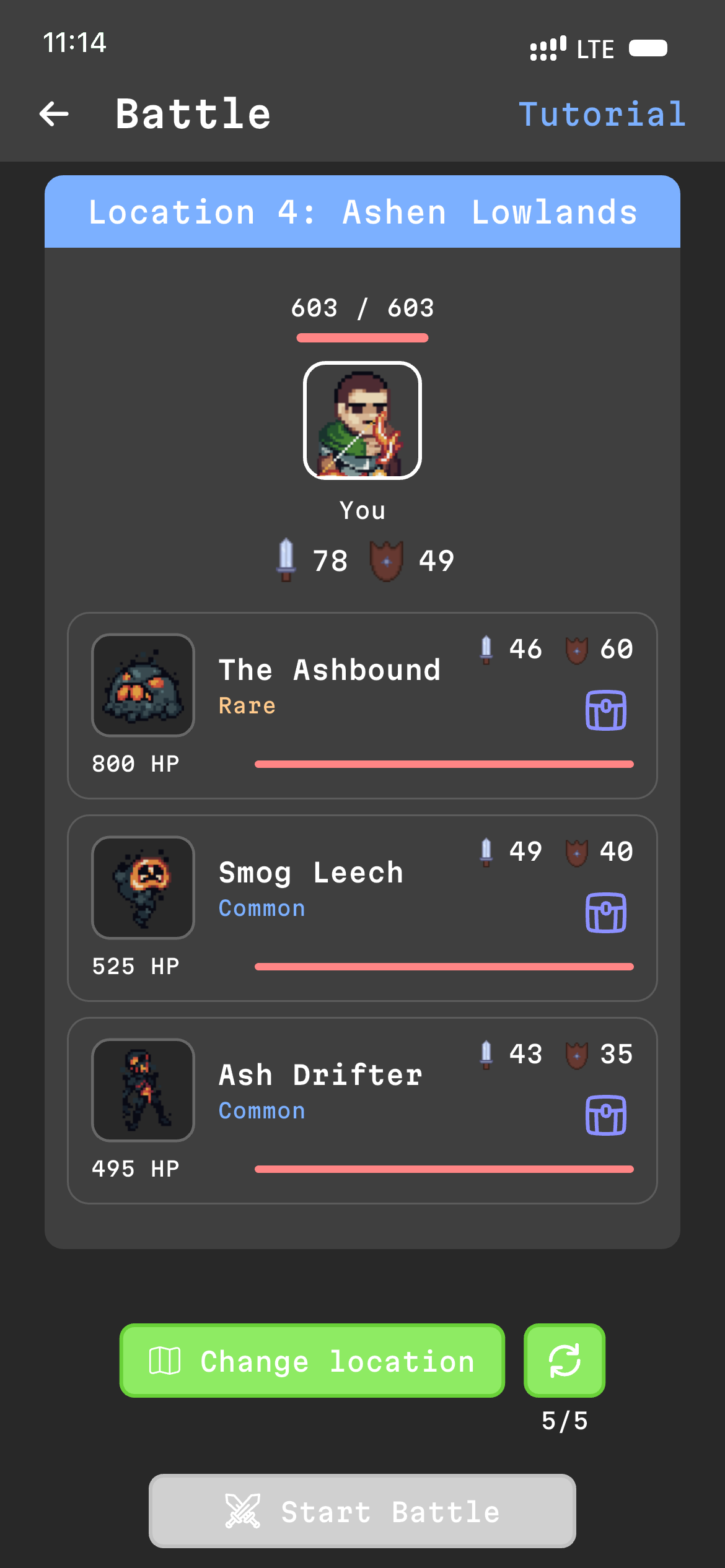
A dopamine menu helps with the breaks. The other half is making the work feel less flat, which is why games hold ADHD attention when a plain list doesn't. We build Taskoria, so weigh this with that in mind: each task or habit you complete deals damage to a monster, so a small win shows up straight away.
Your mains, like a daily walk, can go in as habits too. Miss a day and only the streak bonus resets: no HP loss, no death, no lost levels or gear. It is free on iOS and Android, with an optional subscription; there is no web app. More on the approach in how to gamify your to-do list, and how it compares in our ADHD productivity apps roundup.
Frequently Asked Questions
What is a dopamine menu?
A short, personal list of healthy activities that lift your mood or energy, sorted like a restaurant menu into starters, mains, sides, desserts and specials. You write it while you feel fine, so that when you are bored or stuck you pick from it instead of deciding from scratch.
Who came up with the dopamine menu?
The sources credit Jessica McCabe, creator of the How to ADHD YouTube channel, with the restaurant-menu version from a 2020 video. ADDitude also credits ADHD coach Eric Tivers with the idea behind it.
Does a dopamine menu treat ADHD?
No. It is a self-help tool, not a cure and not a replacement for medication or therapy. A Mayo Clinic physician describes it as a new name for behavioral activation. Talk to a clinician about ADHD treatment.
Is scrolling allowed on a dopamine menu?
Usually it goes under desserts: fine now and then, easy to overdo. Put a limit on it, such as a timer, and choose a starter first when you can.
Try Taskoria free
Your tasks deal damage, bosses fall, and a missed day only resets the streak bonus. Free to download on iOS and Android.